
Survivors' Voices: Isolation
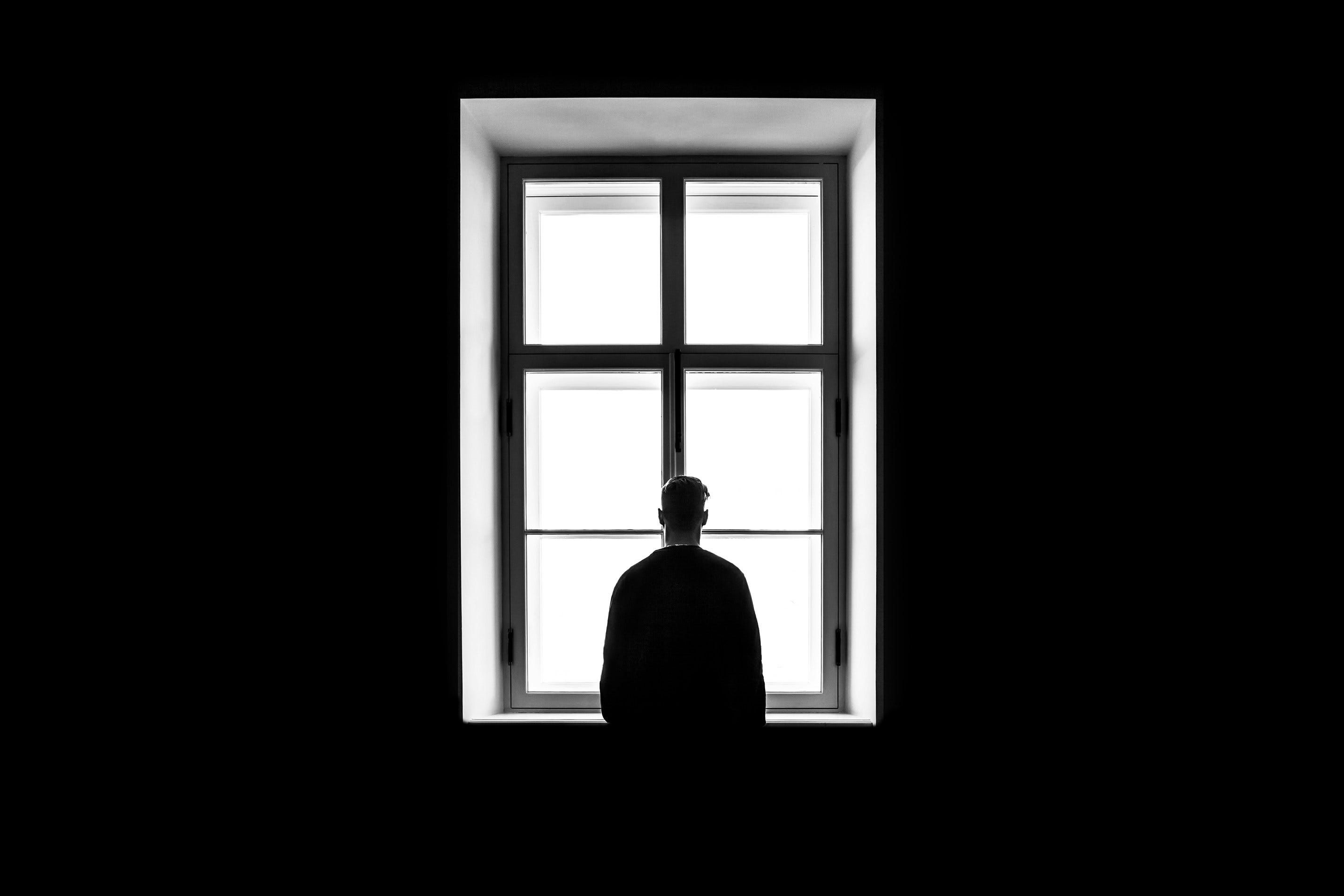
One of the threads I have seen running through many survivors’ stories is the experience of isolation - a sense of loneliness that can persist even in the company of others. I am grateful to all the members of the Survivors’ Voice Panel who offered their reflections on this theme in their own life.
I’ve learned not to talk about my story in person. My family and a few close friends know, but I quickly figured out that sharing it with anyone else results in a shocked silence and immediate subject change. I’m still in the Church, but I’ve come to the conclusion that in-person spiritual advice from a priest is probably permanently off the table- not only because I have trust issues, but because I’m fairly certain they wouldn’t know what to do with me. I wouldn’t say I’m isolated, I still live in community with others, but there’s a part of me that I don’t share, and I do feel cut off from “normal” Catholic life in some ways.
The isolation I experienced was orchestrated by my then-husband, eventually with the support of his second wife and my biological sibling. The abuse - which was framed by them as my debauchery - isolated me from all but one person (there was a second, who, years later, returned to me). The isolation cost me nearly everything. However, eventually I rebuilt. (Long story very short.) All these years later, my life now is rich, yet I still struggle with fears that they will do this again, here, 700 miles away. Therapy helps, but the holes in my history, resulting from that isolation, will always be there.
I try to combat my feelings of isolation due to the painful abuse imposed upon me when I was a child, by acknowledging that all people carry some painful past or tragic loss in their hearts that still deeply affects them today. Sharing my story with people I trust is important and helps to reduce feeling isolated. Also, the stories of others who suffered from any trauma or loss are important too. I feel sharing stories together helps to break the cycle of isolation and not allow our traumatic past to define our futures.
The abuse violently ejected me from my parish faith community. As a stay-at-home mom whose primary social life was through the parish, this was devastating. I felt like I had to have a double life to continue to practice my faith. Everybody around me loved the pastor, and I knew what an evil, deceiving, selfish man he was. I felt stuck, like inside an invisible prison, going through the motions alone without connection.
I often feel isolation. Part of that is my problem with connecting to a protective social circle. I’ve progressed pretty well on my healing. I like to express myself with a bold dignity, which sometimes makes me not acceptable to many people.
My family and I had become close friends and even associate members of the abuser's religious order. I tried talking to a couple of friends within the order about what had happened. Their responses were all willful blindness, something that my abuser had carefully indoctrinated into everyone around him. They all said, "Oh, that's just the way he is. He's relational and needs to be with people." Father Abuser spent time alone with vulnerable women regularly, and he was very close to two religious sisters in the community who fostered children. He spent a lot of time with the children. Everyone knew. The signs of abuse were all around us, and everyone I knew in the community sacrificed their friendships with me to remain in denial. It was basically the same with the diocese. I felt like I was alone on an island in the middle of the ocean where I could see ships passing on the horizon, but no help would come.
The memory of my abuse was repressed for 60 years. For all that time, I wasn't able to make professional connections or strong emotional connections. I'm now 73 and I feel deep sadness to know there are many things that I'll never be able to have. I often feel excluded and rejected.
My husband, who was ultimately supportive, was absolutely mystified by what I told him. He couldn’t wrap his mind around having had someone who we considered so close to the family betray us. It took months for him to begin to understand the depth of deception that had taken place. That was probably the most isolating part, those months alone with the truth when my husband and children were grappling with the loss of someone we considered a close friend and pastor.
Thank you for reading. I’ll have more reflections on this topic next month.
~ Sara