
Survivors' Voices: Isolation, Part 2
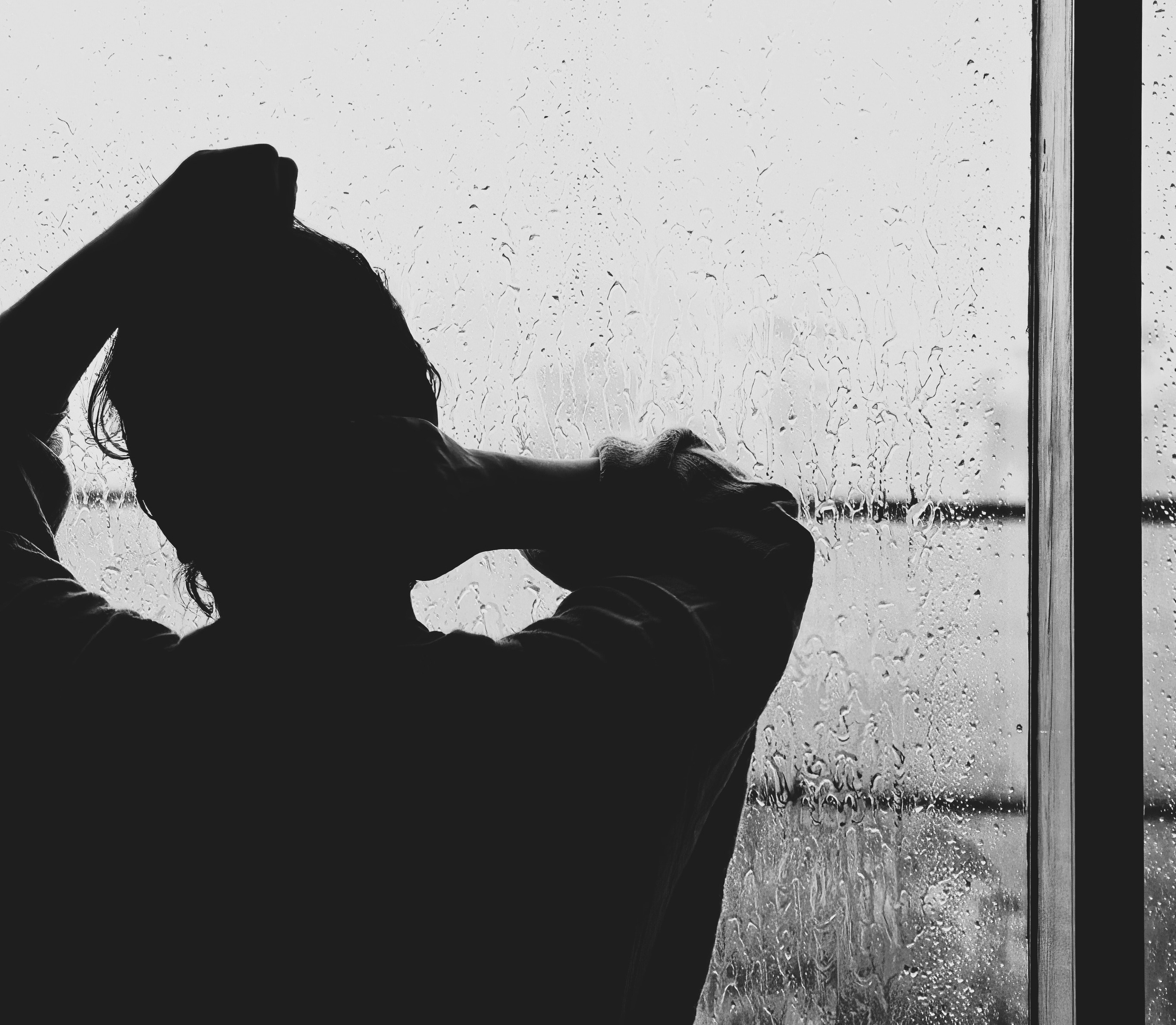
This topic resonated deeply with many on the Survivors’ Voices panel, reminding me that isolation is a heartbreakingly common consequence of abuse. At the same time, I’m encouraged that many survivors have eventually found their way back to connection and community. I’m grateful to be a small part of that through Awake.
(In case you missed it, you can read Part One of this post here.)
I think isolation is one of the hardest impacts of the abuse I experienced. It can feel like falling into a deep, dark pit. You can never seem to get your footing and all around you is dark and unknown. My abusers made sure I was isolated from any sort of support or care. This isolation fed into this underlying belief that I was wearing some sort of human repellent and that there is something intrinsically wrong with who I am. Even to this day, these lies weave themselves into all my relationships and the way I view myself and the world. This only serves to increase the profound feelings of loneliness and isolation. I know one of the ways to combat isolation is through vulnerability and community, but that often feels like an impossible task. It is hard to allow people close to me when my trust has been fundamentally betrayed many times in my life.
There have been literally YEARS where isolation was my middle name. I’m talking shades drawn, hiding in bed, interacting or communicating only when absolutely necessary or forced. Those were the very early days of my breakdown and especially once the graphic memories surfaced, in my 60’s. The world was at best, disorienting and at worst, terrifying. I’ve come a long way since then. Therapy and especially survivor groups were able to give me my life back. Being in survivor groups with people who “get” me opened me up. I was able to unfreeze from my isolation, begin to explore the overwhelming confusion and painful feelings, and find kindness, compassion and mutual friendships, some of which have lasted for over a decade now. There were years when I was attending 10 to 15 survivor groups a month. They sustained me and helped me grow. Hearing how so many others had been through almost identical experiences was very validating. Groups expanded my ability to benefit from therapy, too. I have grown and healed in ways I never imagined, and have progressed to the point of being able to be of service to others who are in the early stages of their healing journey.
I self-isolated after my abuse began when I was seven. Knowing what I know now, I was a perfect target. The simple hugs and attention quickly turned into abuse. Then I stayed away from people, so that I did not give others the opportunity to abuse me. I felt shame and didn’t understand what was happening. I wondered, “If people, including my family, found out what was happening, what would they think of me?” and “What did I do wrong?”. I never told anyone until my late twenties. Until I reported my abuse around ten years ago, I had only told five people. I now absolutely enjoy being around others, yet I would consider my main personality as that of a loner.
In any crowd. In any room. It is always that thing that can’t be talked about. When I have, I was immediately labelled. “You are one of those people. Do you know how many false reports there?” “How do I know that you won’t falsely report me?” “We all know those people are Church haters. They’re just in it for the money.” When you can’t talk about the truth of your lived experience, it takes a heavy toll. You are always unseen. You have to focus your energy on how to “fit in.” This means that you never truly belong. The truth does not go away, just because it is inconvenient to those around us. Healing doesn’t come, because healing requires the truth. As long as the Catholic Church leadership prefers their comfort to the truth and reality of the situation, the Church’s mission of healing will be unfulfilled. They continue to drive souls away from God and his grace through his established means.
I used to feel very isolated in relation to this abuse. And since I got such a negative response from the clergy in my diocese, I wrapped myself up in an imaginary blanket and dealt with my feelings alone. Since I’ve been a part of Awake, especially after meeting other survivors on retreat, I don’t feel so isolated and alone. I’ve found people to share this experience with and it has helped me open up this place in myself. It’s helped me move towards some profound healing. The injury is still there but I don’t feel alone like I used to.
What I desire now is to give my days more life and presence. God’s work with me has been long and arduous, as I have been stubbornly clinging to habits of self-protection that, at this age, are no longer potent. Distilling the grief of victim into a potion of grit and grace stirs the desire for action within me - to extend a hand of hope and the belief that dignity can be restored, that the right to be seen and our abuse acknowledged as legitimate and egregious is essential to owning ourselves as deserving of respect and dignity. The choices I now make in my life matter. The thoughts I believe now - protracted isolation or viable visibility -matter. I choose witness not withdrawal.
I have habitually gone through this life faking presence in interpersonal and social situations. It is too risky to again expose my spirit to the devastation of heartbreak, betrayal and rejection. Isolation is not an ideal way to live, but I became attached to the concept that if I isolate, I can disappear in a smoke and mirror existence, be seen socially as superficial and without emotional depth and therefore, uninteresting. Boring was a beautiful state of security for me. I also determined that if I don’t trust, if I close my heart, then I appear to hold nothing of value for a prospective demon predator to again defile and render me a victim.
That said, this illusion of invisibility that I have held can no longer deny the truth that I am visible to others and they are not repulsed by my existence. The Awake community has literally awakened me to connection. I am not the only one to have been crushed by unspeakable cruelty and malignant selfishness, nor is what happened to me so unique or horrifying that I must be labeled a social leper. I am cautiously optimistic that at the end of this life, I can experience what it means to be valued and feel a sense of worth even in my brokenness.
I would say that my isolation has changed over time. I am now very comfortable around people. I do not feel guarded and watching everything I say. I will say that the discussion of abuse does not often enter into general conversation. I do watch and choose who I share my journey through abuse with. More often than not, it is someone struggling in some way - be it abuse, addiction, anxiety, or something else. I have no difficulty sharing and supporting someone else looking for support in their journey of life. What was such a difficult, isolating, and even painful time in some way has become a blessing, because I am able to journey with others. I would never wish the abuse on anyone, butI do know that it is only by the grace of God that I am here.
Isolation has been a prominent feature of my post-abuse experience. In the confessional and in pastoral counseling, my parish priest was very loving and supportive. In the parish at large though, abuse remains invisible, and I suspect that my priest is deeply uncomfortable helping the congregation grapple with the fact that abuse has been part of the church landscape for a long time. I was grateful for the one time it was mentioned in the prayers of the faithful, but that was one time in six years. I also think that some of our ideas of what holiness looks like in the church at large - holiness as outward observances, devotions, right answers - continue to allow abuse to fester invisibly. I am grateful to spaces like this that let me tell my story and feel less alone.
Thank you for reading and for caring. Perhaps this might be a good moment to consider what you can do to help someone in your life feel a little less alone.
With gratitude,
Sara
PS: Please watch for an update next month on some exciting changes coming for this blog!
“The truth does not go away just because it is inconvenient to those around us” is such a powerful line. Isolation becomes even heavier when survivors are expected to carry the truth alone, so spaces where people are believed and witnessed really matter.
Thank you so much for writing this and bringing a clear picture to many of us. Your strength in addressing this topic is amazing and important. As Paul Murphy-Sanderson says in his comment below, the Church works fervently on maintaining their "cozy little bubble," of power, money and evil. You bring the reality of God to this corrupt group of men. You are the victory for God, thank you!